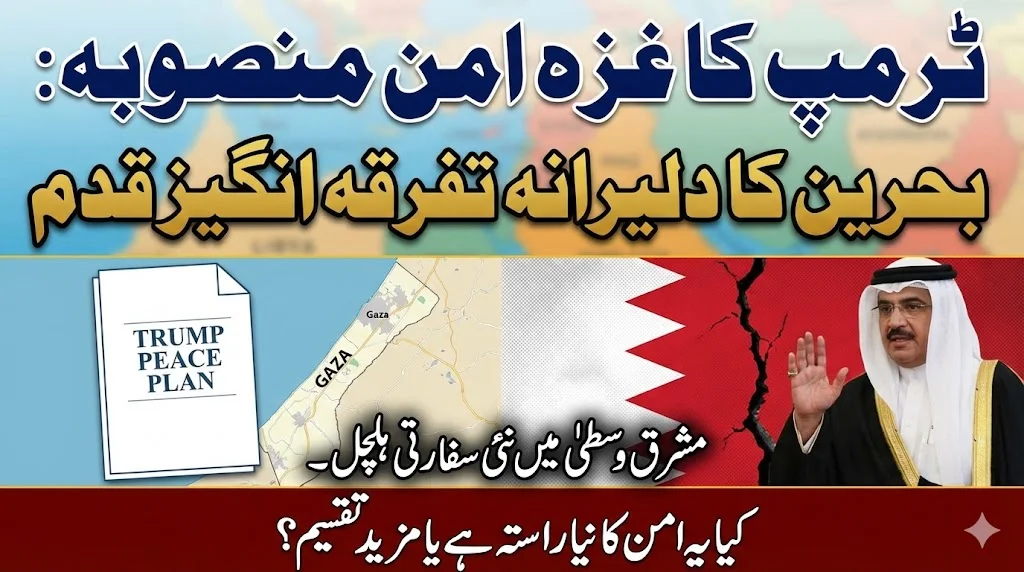
Bahrain Joins the Gaza Board of Peace: A Major Shift in Regional Dynamics
Bahrain has officially joined the controversial “Gaza Board of Peace,” becoming the second Gulf nation, following the United Arab Emirates, to endorse former US President Donald Trump’s 20-point peace plan for Gaza. This significant development, announced by Bahrain’s Ministry of Foreign Affairs and subsequently approved by King Hamad bin Isa Al Khalifa, signals a complex and evolving landscape in Middle Eastern diplomacy. The move reflects a broader regional engagement with a US-backed initiative that aims to foster peace, stability, and the protection of Palestinian rights through economic development and international cooperation.
Understanding Bahrain’s Entry into the Gaza Board of Peace
The decision by Bahrain to join the Gaza Board of Peace aligns with its strategic foreign policy objectives, seeking to play a role in proposed regional resolutions. Bahraini officials have articulated that this step underscores their commitment to initiatives designed to bring long-term solutions to the region. The US-backed framework emphasizes economic growth and collaborative projects as pathways to stability, aiming to create a foundation for lasting peace that addresses the challenges faced by the Palestinian people.
This commitment to the Gaza Board of Peace underscores a willingness by some Gulf states to explore new frameworks for peace in the region. The plan itself, developed under the Trump administration, proposes significant economic investment and aims to address humanitarian concerns in Gaza through a multi-faceted approach. Proponents argue that such a board could facilitate crucial dialogue and coordinate international efforts towards reconstruction and development within the Palestinian territories.
The Core Tenets of Trump’s Gaza Peace Plan
Former US President Donald Trump’s comprehensive 20-point peace plan for Gaza outlines a vision for economic prosperity and improved governance. It is designed to rebuild infrastructure, create jobs, and foster a more stable environment for Palestinians. Supporters believe this economic-first approach is essential for laying the groundwork for political resolutions, arguing that stability through development can ultimately lead to a more peaceful coexistence.
According to its architects, the Gaza Board of Peace framework is designed to bring together various international stakeholders. It intends to pool resources and expertise to implement projects that benefit the people of Gaza directly. This integrated approach, as presented by its proponents, aims to bypass traditional political stalemates by focusing on tangible improvements in daily life.
Criticisms Surrounding the Gaza Board of Peace Membership
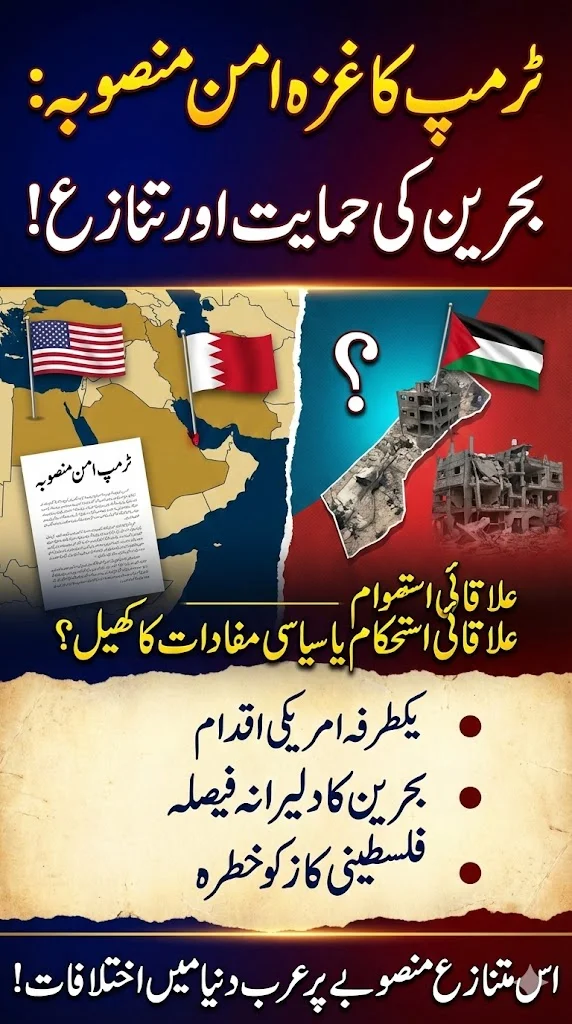
Despite the stated intentions, Bahrain’s decision to join the Gaza Board of Peace has elicited strong criticism from various groups and political analysts. Many critics contend that the initiative, far from protecting Palestinian rights, may inadvertently weaken Palestinian sovereignty and statehood. Concerns persist that the plan’s economic focus might overshadow fundamental political demands and rights.
One of the most prominent points of contention is the reported high cost of permanent membership in the Gaza Board of Peace, rumored to be around one billion dollars. Opponents argue that such a substantial financial barrier restricts participation primarily to wealthy nations, potentially excluding countries or entities that might more directly represent Palestinian interests and perspectives. This financial requirement has been a significant point of debate since the plan’s inception. For insights into complex international agreements and their financial implications, resources such as Schemess.com can offer valuable analyses.
Financial Implications of Gaza Board of Peace Membership
The one-billion-dollar membership fee associated with the Gaza Board of Peace has become a focal point for discussion. This considerable sum raises questions about the accessibility and inclusivity of the initiative. Critics suggest that it could create a power imbalance, giving more say to nations with significant financial resources rather than those with direct geopolitical stakes or historical ties to the Palestinian cause.
Furthermore, the allocation and oversight of such funds are subject to scrutiny. Transparency and accountability in managing these contributions are critical to ensuring that the resources genuinely serve the intended purpose of aiding the people of Gaza, rather than being perceived as a means of political influence or control over Palestinian affairs.
Pakistan’s Deliberation on the Gaza Board of Peace
The initiative has also garnered significant attention in Pakistan, a nation with a long-standing commitment to supporting Palestinian self-determination. Prime Minister Shehbaz Sharif has reportedly received an invitation to engage with the Gaza Board of Peace, sparking an internal debate within Pakistan. The country faces the challenge of reconciling its historical support for Palestine with the potential diplomatic and economic benefits of engaging with this new framework.
Pakistan’s traditional stance has been firmly in favor of a two-state solution and the protection of Palestinian rights. Any engagement with the Gaza Board of Peace would require careful consideration of its implications for this long-held position. The ongoing discussions reflect the complex dilemma many nations face when navigating evolving regional dynamics and international proposals.
The Broader Repercussions of Bahrain’s Gaza Peace Plan Commitment
Bahrain’s accession to the Gaza Board of Peace signifies a broader shift in regional foreign policy, echoing the UAE’s earlier support. This move, while championed by some as a pragmatic step towards peace and economic development, is viewed by others as potentially undermining concerted international efforts to achieve a just and comprehensive resolution based on international law and established parameters.
As more countries contemplate their positions regarding the Gaza Board of Peace, the initiative continues to evoke strong and divided opinions. While proponents view it as a valuable avenue for dialogue and much-needed economic intervention in Gaza, critics perceive it as a political maneuver that could reshape the future of Gaza without adequately addressing the fundamental concerns and inherent rights of the Palestinian people. The global community closely monitors these developments, anticipating the long-term impact on regional stability and prospects for peace.
Frequently Asked Questions (FAQs)
1. What is the “Gaza Board of Peace”?
The Gaza Board of Peace is a component of former US President Donald Trump’s 20-point peace plan for Gaza, designed to foster economic stability and development in the region through international cooperation and investment, aiming to ultimately pave the way for a broader peace.
2. Which countries have joined the Gaza Board of Peace so far?
As of the latest announcements, the United Arab Emirates was the first Gulf state to join, followed by Bahrain, making it the second Gulf country to officially endorse and join the initiative.
3. What are the main objectives of Trump’s Gaza Peace Plan?
The plan primarily focuses on economic development, infrastructure rebuilding, job creation, and fostering a more stable environment in Gaza. Its proponents believe that economic prosperity will lay the foundation for lasting peace and address humanitarian concerns.
4. Why is the “Gaza Board of Peace” considered controversial?
It is controversial for several reasons, including concerns that it may weaken Palestinian sovereignty, the reported high membership fee (around one billion dollars), and the perception among critics that it prioritizes economic solutions over fundamental political rights and principles of self-determination.
5. How much is the reported membership fee for the Gaza Board of Peace?
Reports indicate that the permanent membership fee for the Gaza Board of Peace is approximately one billion dollars. This high cost has led to concerns about exclusivity and who can truly participate.
6. What has been Pakistan’s reaction to the Gaza Board of Peace?
Pakistan’s Prime Minister Shehbaz Sharif has reportedly been invited to engage with the board, prompting internal debate within Pakistan. The country is weighing its long-standing support for Palestinian self-determination against potential diplomatic and economic engagements with the initiative.
Conclusion
Bahrain’s decision to join the Gaza Board of Peace marks a significant moment in the ongoing efforts to address the complex situation in Gaza and the broader Israeli-Palestinian conflict. This step, following the United Arab Emirates, highlights a willingness among certain Gulf states to engage with US-led initiatives aimed at regional stability and economic development. However, the move is deeply polarizing, drawing both support for its potential to provide humanitarian and economic relief, and strong criticism for potentially sidelining core Palestinian political aspirations and sovereignty. As the debate continues, the long-term impact of the Gaza Board of Peace on regional dynamics, Palestinian rights, and the prospects for a lasting peace remains a subject of intense scrutiny and anticipation for the international community.