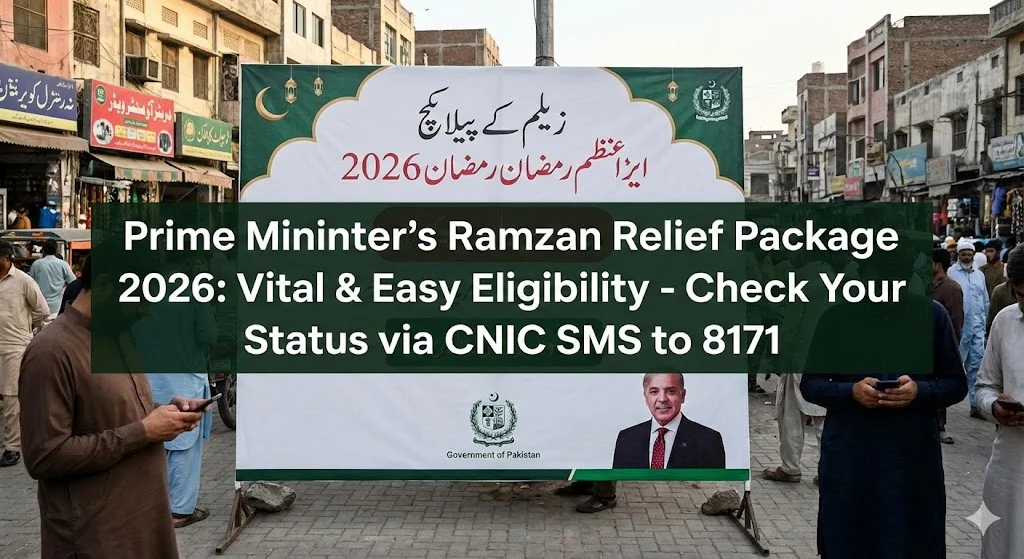
Ramzan Subsidy 2026 is set to provide crucial relief to millions of low-income families across Pakistan as the holy month of Ramadan 1447 AH approaches, expected to commence on Thursday, February 19, 2026. Designed to mitigate the impact of rising inflation and food prices, this comprehensive federal government initiative aims to make essential commodities more affordable during a period of increased household expenditure. The program represents a significant public welfare effort, reflecting a commitment to ensuring food security for vulnerable populations.
Prime Minister’s Ramzan Package 2026
This year’s Ramzan Subsidy 2026 builds upon a tradition of government support during Ramadan, but with notable adaptations based on lessons learned from previous years. The government has emphasized efficiency and transparency, particularly following major changes introduced in 2025. These adjustments have largely moved away from the traditional Utility Stores-centric distribution model towards a more digitized approach, combining direct cash transfers with subsidized grocery support.
What is the Ramzan Subsidy 2026 About?
The Ramzan Subsidy 2026 is an integral part of a broader relief package announced by the federal government, earmarking approximately Rs38 billion for financial and food price assistance. This substantial allocation is designed to reach millions of deserving families nationwide, offering a multi-pronged approach to alleviate economic pressures. Government officials have highlighted the package’s intent to simplify access to aid and enhance the overall user experience.
Eligible households under the Ramzan Subsidy 2026 initiative are expected to benefit from several key components. This includes direct cash support, which is anticipated to be around Rs13,000 per household. Furthermore, subsidized essential grocery items will be made available through select, authorized channels, including designated Utility Stores outlets and other approved distribution points. The program also focuses on price-controlled staple commodities, ensuring that basic food items remain accessible.
Key Changes to Ramzan Subsidy Delivery in 2026
The year 2026 marks a continued evolution in how the Ramzan Subsidy is administered, following the significant system overhaul in 2025. Historically, the distribution of subsidized items was primarily channeled through Utility Stores Corporation (USC) outlets, a system with over 30 years of operation. However, concerns regarding long queues, potential quality issues, and overall inefficiencies prompted a strategic shift.
The government’s new approach for the Ramzan Subsidy 2026 places a strong emphasis on digital delivery and transparency. This aims to streamline the process for beneficiaries and minimize the logistical challenges often associated with large-scale physical distribution. The move reflects a broader governmental initiative to leverage technology for public service delivery, ensuring that financial and food support reaches the intended recipients more effectively and with greater accountability.
Expected Subsidized Item List for Ramzan 2026
While the official Utility Stores Corporation (USC) item price list for 2026 is yet to be fully released publicly, the anticipated Utility Store Ramzan Subsidy 2026 Item List is expected to mirror the typical pattern of previous Ramadan relief packages. Based on verified government relief program outlines and past distributions, several essential food items are generally included, forming the core of the subsidized offerings.
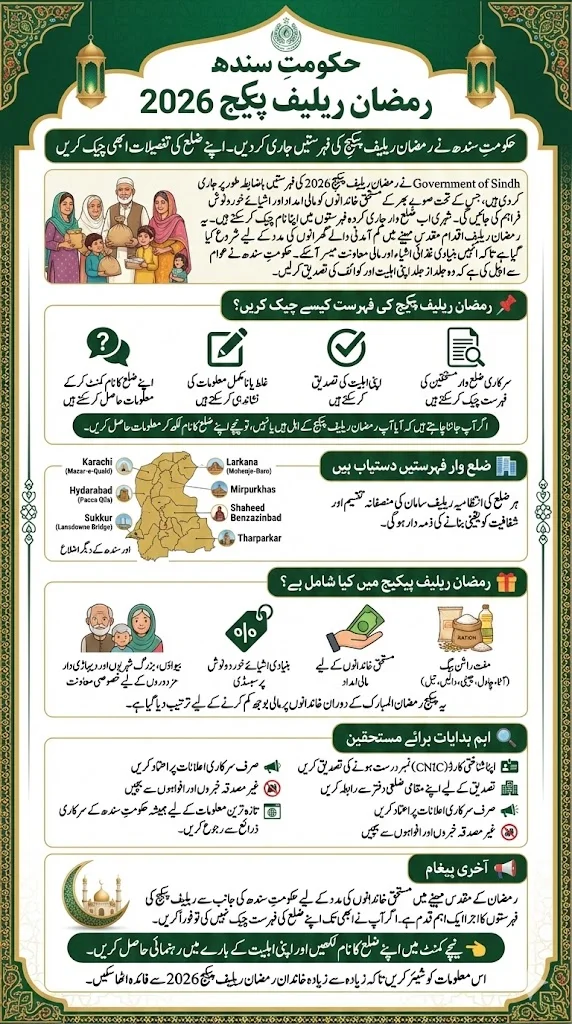
The primary focus of the Ramzan Subsidy 2026 continues to be on staple food commodities that are crucial for daily consumption, especially during Ramadan. These typically include: Wheat Flour (Atta) at a subsidized rate per kg, Sugar at a reduced price per kg, various types of Rice, Cooking Oil & Ghee at subsidized rates per litre/kg, and a range of Pulses such as Daal Channa, Daal Masoor, and Daal Moong. Gram Flour (Besan) and Tea (Leaf) in subsidized packs are also commonly part of the list, according to Schemess.com.
Other Grocery Essentials under Ramzan Subsidy Support
Beyond the primary staples, the Ramzan Subsidy 2026 program often extends to other grocery essentials frequently used during Ramadan. These items are selected to provide comprehensive support to households during the holy month. While availability can vary, items like Dry Dates, a traditional component of Iftar, are typically available.
Furthermore, products like Milk and Tetra Pack Milk Products, along with various Spices and Cooking Essentials, have historically been part of the subsidized offerings. These additional items ensure that families can prepare wholesome and traditional meals without facing undue financial strain, thereby enhancing the overall impact of the Ramzan Subsidy 2026.
How to Avail Ramzan Subsidy Items 2026
To benefit from the Ramzan Subsidy 2026 package, eligible citizens generally need to register and verify their Computerized National Identity Card (CNIC) through designated communication channels. This verification process is crucial for ensuring that aid reaches the rightful beneficiaries and prevents misuse of resources. The government has put in place various mechanisms for this purpose.
Commonly used SMS codes or online portals connected with existing welfare programs facilitate this verification. For instance, codes such as 8070 (for Punjab’s Negahban / Rashan Card initiatives) provide provincial access, while 9999, 8123, or 8171 are typically used for federal relief and Ehsaas Rashan eligibility checks. Once verified, families can then proceed to shop for subsidized food items at authorized points, which include designated Utility Stores or other approved subsidized outlets, or claim direct cash/ration support as per the specific program eligibility. Some provincial programs also utilize Rashan Cards for purchasing staples at controlled rates during the Ramzan Subsidy 2026 period.
Ensuring Transparency and Efficiency for Ramzan Subsidy
The government’s pivot towards digital delivery mechanisms for the Ramzan Subsidy 2026 underscores a strong commitment to transparency and efficiency. By reducing reliance on physical queues and manual processes, the aim is to minimize administrative hurdles and directly address the issues of quality complaints and long wait times that plagued older systems. This modernized approach ensures accountability and speed in service delivery.
These subsidized items, typically offered at prices 10–15% lower than open-market rates during Ramadan campaigns, focus primarily on daily-use staples. This strategic pricing aims to maximize the positive impact on household budgets, directly addressing the financial constraints faced by low-income families. The emphasis remains on providing substantial relief where it is needed most.
Conclusion
The Ramzan Subsidy 2026, as part of the broader Ramadan relief program, continues Pakistan’s tradition of supporting vulnerable families during the holy month. While the methods of payment and delivery have significantly evolved with a strong shift towards digital and transparent mechanisms, the core objective remains steadfast: to make essential food items more affordable through controlled prices and targeted support. This ensures that the profound spirit of Ramadan—marked by generosity, community support, and empathy—is tangibly reflected in government policy, providing a much-needed lifeline to millions.
Frequently Asked Questions (FAQs)
1. What is the main purpose of the Ramzan Subsidy 2026?
The main purpose of the Ramzan Subsidy 2026 is to provide financial and food price relief to low-income families during the holy month of Ramadan, helping them cope with inflation and rising food costs by making essential items more affordable.
2. How much is the total allocation for the Ramzan Subsidy 2026 program?
The federal government has announced a broader relief package, of which the Ramzan Subsidy 2026 is a part, worth approximately Rs38 billion.
3. What types of assistance are included in the Ramzan Subsidy 2026?
Eligible households will receive direct cash support (around Rs13,000), access to subsidized essential grocery items, and price-controlled staple commodities through designated channels.
4. How can I check my eligibility for the Ramzan Subsidy 2026?
Eligibility can typically be checked by verifying your CNIC through designated SMS codes like 8070 (for Punjab) or 9999, 8123, 8171 (for federal programs) via online portals linked to welfare initiatives.
5. Where can I purchase subsidized items under the Ramzan Subsidy 2026?
Subsidized items will be available at authorized points, including designated Utility Stores outlets or other approved subsidized distribution points, after verification of eligibility.
6. Has the distribution system for the Ramzan Subsidy changed?
Yes, the government made major changes in 2025 by modernizing the system, moving away from purely Utility Stores-only distribution towards digital cash transfers and broader subsidized grocery support to enhance efficiency and transparency.
7. What are some of the expected key items on the Utility Store Ramzan Subsidy 2026 Item List?
Based on typical patterns, expected items include Wheat Flour (Atta), Sugar, Rice, Cooking Oil & Ghee, various Pulses (Daal Channa, Masoor, Moong), Gram Flour (Besan), Tea, Dry Dates, Milk, and basic Spices.