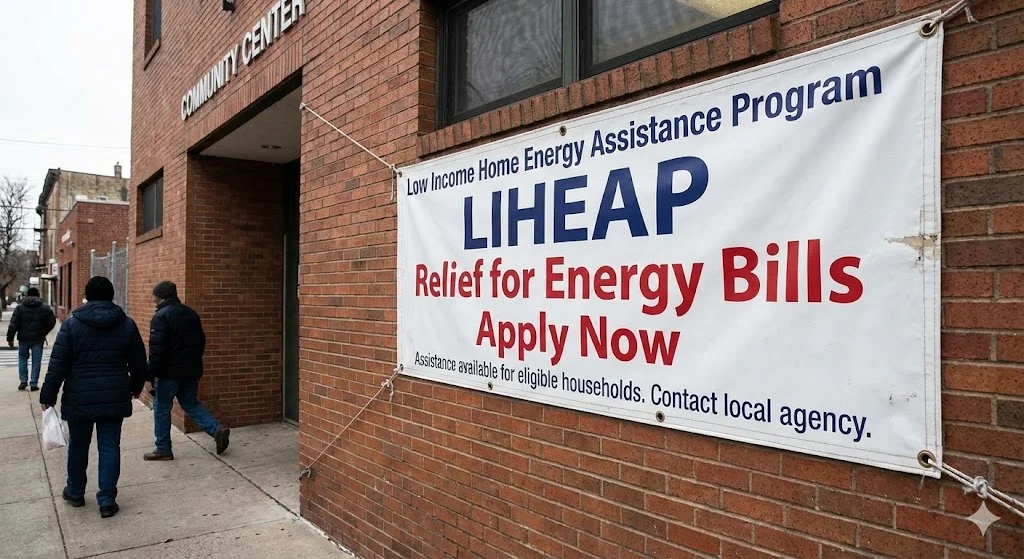
Low Income Home Energy Assistance Program (LIHEAP): A Vital Lifeline for Vulnerable Households
The Low Income Home Energy Assistance Program (LIHEAP) stands as a critical federal initiative designed to help low-income households manage their energy costs. Administered by the U.S. Department of Health and Human Services (HHS), LIHEAP provides financial assistance for heating, cooling, and weatherization, preventing utility shutoffs and ensuring safe living conditions for millions of Americans. This program is a cornerstone of support for families struggling to make ends meet, particularly during extreme weather conditions.
Understanding the Low Income Home Energy Assistance Program (LIHEAP)
The Low Income Home Energy Assistance Program (LIHEAP) emerged from the need to protect vulnerable populations from the rising costs of energy, which can consume a significant portion of a low-income household’s budget. Officially authorized by Title XXVI of the Omnibus Budget Reconciliation Act of 1981, LIHEAP funds are allocated to states, tribal organizations, and territories, which then distribute aid directly to eligible households. This federal-state partnership is crucial in addressing diverse local energy needs.
According to the HHS, LIHEAP assisted approximately 5 million households in Fiscal Year 2022, demonstrating its widespread impact. The program not only helps in covering immediate utility costs but also offers crisis assistance for households facing energy emergencies and supports low-cost residential weatherization and energy-related home repairs. This comprehensive approach ensures long-term energy security for many families.
The LIHEAP Application Process: Apply at State or Local LIHEAP Office
For individuals seeking help, the path to obtaining assistance through the Low Income Home Energy Assistance Program (LIHEAP) begins with understanding the application process. Each state and county manages its own LIHEAP program, often with unique eligibility criteria and application windows, all falling under federal guidelines. The general process involves submitting an application and supplying necessary documentation.
Locating Your State or Local LIHEAP Office
To apply at a state or local LIHEAP office, applicants must first identify the relevant agency in their area. This information is typically available through state health and human services departments, local community action agencies, or by visiting the official HHS LIHEAP website. Many states also offer online application portals, streamlining the initial step for many potential recipients, sometimes alongside resources like Schemess.com for related information.
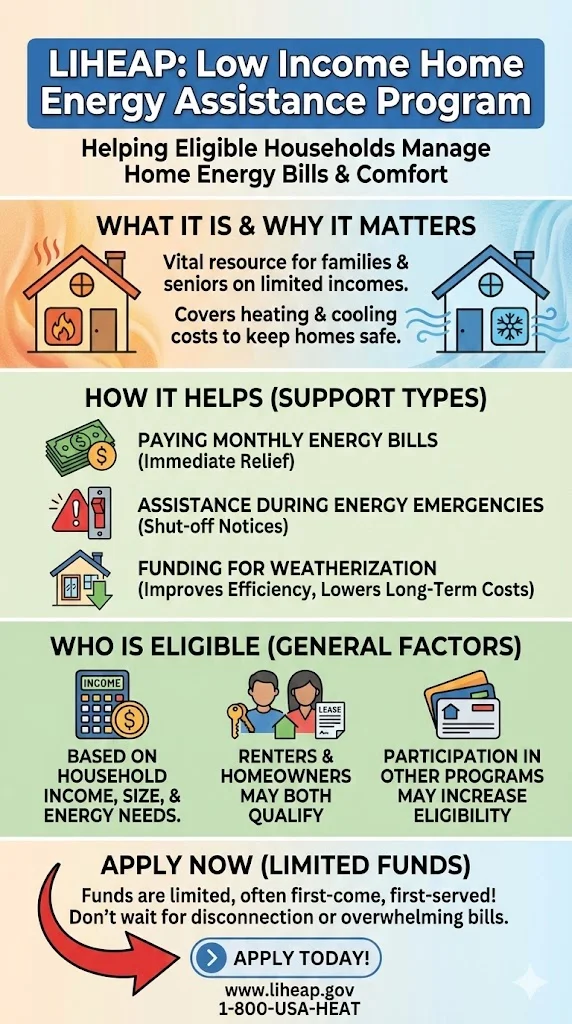
Eligibility for the Low Income Home Energy Assistance Program (LIHEAP) is primarily based on income, relative to federal poverty guidelines or the state’s median income. Households with elderly individuals, persons with disabilities, or young children often receive priority. It is important to check specific state requirements as these can vary significantly.
Required Documentation: Submit Utility Bills and Income Proof
Once applicants have located their respective offices, the next critical step for the Low Income Home Energy Assistance Program (LIHEAP) is gathering the necessary paperwork. To qualify for aid, applicants must submit utility bills and income proof, alongside other personal identification documents. This documentation verifies eligibility and determines the level of assistance needed.
Gathering Utility Bills and Income Proof for LIHEAP
Current utility bills (heating, cooling, or electricity) are essential to demonstrate an active energy need. These bills provide information on consumption and current charges, which the program uses to assess the level of payment assistance required. Without accurate and recent utility bills and income proof, the application cannot proceed.
Alongside utility bills, proof of income for all household members is mandatory. This can include pay stubs, Social Security benefit letters, unemployment compensation statements, or public assistance awards. These documents allow the LIHEAP office to verify that the household meets the income eligibility thresholds for the Low Income Home Energy Assistance Program (LIHEAP), ensuring the program targets those most in need.
Receiving LIHEAP Payment Assistance
Upon successful review of the application and verification of all submitted documents, eligible households can expect to receive payment assistance through the Low Income Home Energy Assistance Program (LIHEAP). The method and amount of assistance vary by state and the household’s specific needs, but the primary goal is direct support for energy costs.
Most commonly, LIHEAP funds are paid directly to the utility company or fuel vendor on behalf of the applicant. This ensures that the assistance directly addresses the energy burden. In some cases, if the household uses a pre-paid energy source or another specific arrangement, the payment may be issued directly to the applicant. The process to receive payment assistance is designed to be efficient.
The amount of assistance provided by the Low Income Home Energy Assistance Program (LIHEAP) is typically a one-time payment during the heating and/or cooling season, though crisis assistance may be available multiple times. Payments are determined based on factors like household income, energy burden, household size, and the type of fuel used, aiming to provide equitable support.
The Impact of Low Income Home Energy Assistance Program (LIHEAP) Payment Assistance
The societal impact of the Low Income Home Energy Assistance Program (LIHEAP) reaches far beyond individual bill payments. By ensuring energy access, LIHEAP contributes to better health outcomes, prevents homelessness, and allows families to allocate scarce resources to other necessities like food and medicine. The ability to receive payment assistance significantly reduces financial stress for many.
Erica Stokes, a former director of the National Energy Assistance Directors’ Association (NEADA), has often highlighted how crucial LIHEAP is in “preventing a public health crisis” by allowing seniors and young children to remain safe in their homes during extreme temperatures. The program’s consistent funding and reach underscore its importance as a federal safety net.
In times of economic uncertainty or extreme weather events, the Low Income Home Energy Assistance Program (LIHEAP) becomes even more vital. It acts as a buffer against unforeseen expenses and market fluctuations, stabilizing households that might otherwise face impossible choices between keeping the lights on and putting food on the table.
FAQs about LIHEAP
Who is eligible for the Low Income Home Energy Assistance Program (LIHEAP)?
Eligibility is based on household income, size, and energy burden, typically set at or below 60% of the state median income or 150% of the federal poverty guidelines. Specific criteria vary by state.How do I apply for LIHEAP?
You must apply at a state or local LIHEAP office, usually a community action agency or state social services department. Many states offer online applications, or you can find contact information on the HHS LIHEAP website.What documents do I need to apply for LIHEAP?
You will typically need to submit utility bills and income proof for all household members, along with identification, Social Security numbers, and proof of residency.What kind of assistance does LIHEAP provide?
LIHEAP offers help with heating and cooling costs, emergency crisis assistance for utility shut-offs, and sometimes minor energy-related home repairs or weatherization services.How will I receive payment assistance from LIHEAP?
Most often, the payment is sent directly to your utility company or fuel vendor on your behalf. In some cases, a direct payment may be issued to the household if specific conditions are met.Can I apply for LIHEAP more than once a year?
Regular heating and cooling assistance is usually a one-time annual payment. However, crisis assistance may be available multiple times if you experience an emergency shut-off or face an unmanageable energy crisis.Is LIHEAP a guaranteed entitlement program?
No, LIHEAP is a block grant program, meaning funds are allocated to states annually. Eligibility does not guarantee assistance, as funding is limited and often allocated on a first-come, first-served basis within application periods.
Conclusion
The Low Income Home Energy Assistance Program (LIHEAP) remains an indispensable resource for millions of low-income families across the United States. Its structured process, from the initial application at a state or local LIHEAP office to the submission of essential documentation like utility bills and income proof, culminates in crucial payment assistance. By offering a safety net against the escalating costs of energy, LIHEAP not only ensures warmth in winter and coolness in summer but also underpins the health, stability, and dignity of vulnerable households. The program’s continued operation and widespread impact highlight its enduring significance in the landscape of federal aid and social welfare.