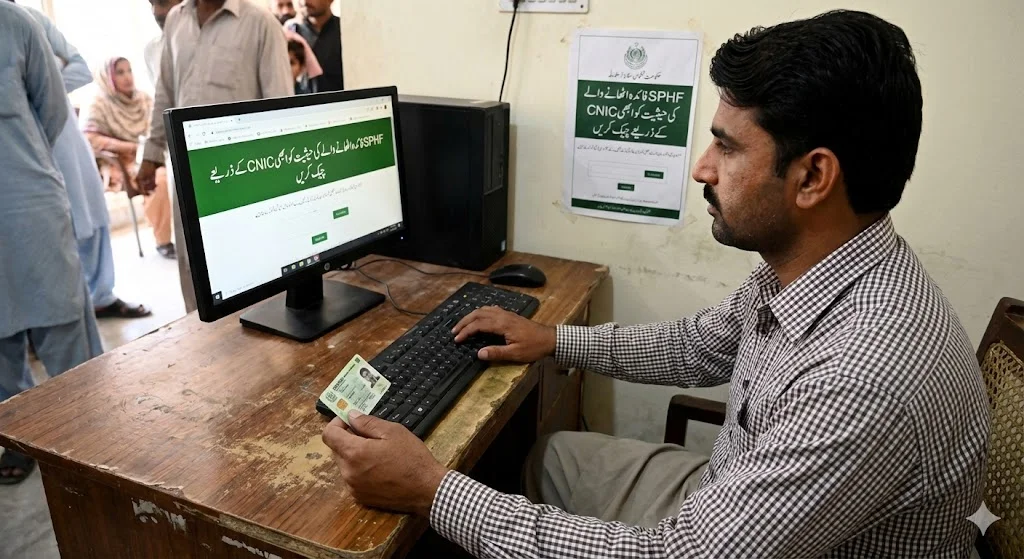
Sindh People’s Housing For Flood Affectees (SPHF) Beneficiary Check Status Now is a critical process for thousands of families in rural Sindh who lost their homes during the unprecedented floods of 2022. This initiative, spearheaded by the Government of Sindh with significant international support, aims to rebuild disaster-resilient homes, providing affected communities with much-needed stability and dignity. For beneficiaries, verifying their status is the crucial first step in accessing the assistance meant for them.
The Devastating Impact of the 2022 Sindh Floods
The monsoon rains and subsequent floods of 2022 wreaked havoc across Pakistan, particularly devastating the province of Sindh. The scale of the calamity was immense, affecting an estimated 33 million people nationwide and displacing millions. In Sindh alone, over 1.7 million homes were either partially or completely destroyed, leaving countless families without shelter as reported by the National Disaster Management Authority (NDMA). The economic losses were staggering, compounded by widespread damage to agriculture, infrastructure, and livelihoods.
In response to this humanitarian crisis, the Government of Sindh, in collaboration with national and international partners, launched comprehensive rehabilitation and reconstruction efforts. Among these, the Sindh People’s Housing For Flood Affectees (SPHF) emerged as a flagship program, specifically designed to address the urgent housing needs of flood victims.
Understanding the Sindh People’s Housing For Flood Affectees (SPHF) Initiative
The SPHF program is a unique, community-led housing reconstruction initiative. Its primary objective is to provide financial and technical assistance to flood-affected households for the reconstruction of their damaged or destroyed homes, employing a “build back better” approach to enhance resilience against future disasters. The scheme operates under strong governance and transparency mechanisms.
Established as a public-sector company under Section 42 of the Companies Act, 2017, the SPHF is tasked with overseeing the reconstruction of approximately 2.1 million houses. The Government of Sindh provides substantial funding, complemented by critical support from multilateral development banks like the World Bank, which committed $500 million for flood relief and housing. Other partners, including the Asian Infrastructure Investment Bank (AIIB) and the Islamic Development Bank (IsDB), have also extended support, highlighting the collaborative nature of this massive undertaking.
Eligibility for Sindh People’s Housing For Flood Affectees (SPHF) Beneficiaries
Eligibility for the SPHF program is strictly defined to ensure assistance reaches those most in need. Criteria typically include:
- Being a resident of a flood-affected district in Sindh during the 2022 floods.
- Having a home certified as fully or partially damaged by official damage assessment surveys (PDNA – Post Disaster Needs Assessment).
- Possession of a valid Computerized National Identity Card (CNIC).
- Demonstrating ownership or long-term occupancy of the damaged property.
The identification of beneficiaries was initially carried out through rigorous surveys and geospatial mapping exercises to ascertain the extent of damage and ensure accuracy. This meticulous process aimed to prevent duplication and ensure equitable distribution of aid.
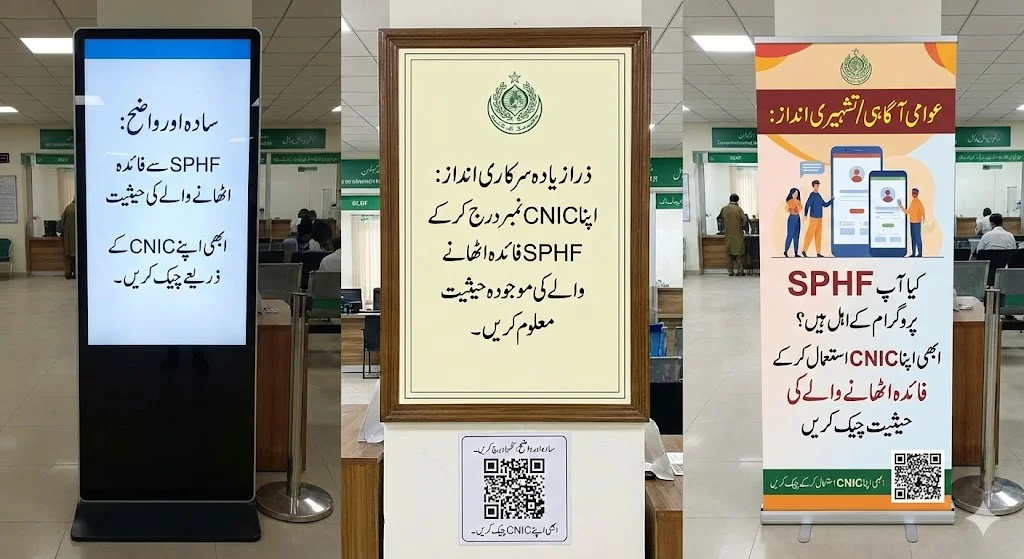
How to Check Your SPHF Beneficiary Status Now
For flood affectees, knowing their status within the SPHF program is crucial for planning and receiving assistance. The SPHF has established multiple channels to enable beneficiaries to check their status efficiently.
Online Portal for Sindh People’s Housing For Flood Affectees (SPHF) Status Check
The primary method for checking beneficiary status is through the official SPHF website. This online portal provides a user-friendly interface where individuals can input their details to retrieve information regarding their application.
- Visit the Official SPHF Website: Beneficiaries should navigate to the designated SPHF portal.
- Enter CNIC: The Computerized National Identity Card (CNIC) number is typically the primary identifier required.
- Submit Query: After entering the CNIC, beneficiaries can submit their query to view their status.
The portal will display information such as registration status, survey completion, eligibility determination, and any pending requirements or next steps. It serves as a transparent and accessible resource for beneficiaries to stay informed about their application’s progress.
SMS Service for SPHF Beneficiary Status Now
Recognizing that many rural flood affectees may have limited internet access, an SMS-based system has also been implemented. This provides a convenient alternative for checking your SPHF beneficiary status now.
- Compose a Message: Beneficiaries are usually required to send their CNIC number to a specific, short SMS code designated by SPHF.
- Send Request: Upon sending the message, an automated response is generated, providing the latest status of their application.
This method ensures that even individuals without smartphones or reliable internet connectivity can access vital information about their housing assistance. It’s an example of how modern technology is adapted to serve communities in need. For more information on official schemes and their verification processes, one might check resources like Schemess.com.
Local Committee and District Administration Support
In addition to digital platforms, local district administrations and SPHF field offices play a vital role. Beneficiaries can visit these offices to inquire about their status, seek clarification, and address any grievances. Community mobilization teams are often on the ground to assist with the process, helping individuals navigate the system and understand the requirements for their Sindh People’s Housing For Flood Affectees (SPHF) status.
Importance of Regularly Checking SPHF Beneficiary Status
Regularly checking one’s SPHF beneficiary status is paramount for several reasons:
- Stay Informed: It ensures beneficiaries are aware of updates, changes in deadlines, or new requirements.
- Prompt Action: If additional documents are needed or if there’s an issue with the application, timely knowledge allows for swift action.
- Prevent Fraud: Staying updated through official channels helps mitigate the risk of falling prey to fraudulent schemes or misinformation.
- Access Disbursements: Knowing the status helps beneficiaries anticipate when financial disbursements for construction will be made, allowing them to prepare.
The Way Forward for Sindh People’s Housing For Flood Affectees (SPHF)
The SPHF project represents one of the largest owner-driven housing reconstruction programs globally. As of early 2024, significant progress has been reported, with tens of thousands of houses either completed or under construction. “Our resolve is to ensure every flood-affected family gets a resilient home,” stated the Sindh Chief Minister during a progress review meeting, emphasizing the government’s commitment. The World Bank also noted the remarkable speed and scale of the program, acknowledging the challenges in reaching all affected households.
The program’s success is not just measured in numbers of houses built, but in the restoration of normalcy and hope for families. The focus remains on sustainable construction practices, ensuring that the new homes are built to withstand future climatic shocks, a crucial aspect given Sindh’s vulnerability to extreme weather events.
Conclusion
The Sindh People’s Housing For Flood Affectees (SPHF) initiative is a monumental effort to rebuild lives shattered by the 2022 floods. For the beneficiaries, understanding and regularly verifying their SPHF beneficiary status now through official online portals, SMS services, or local support is essential. This transparent process ensures that aid reaches those who need it most, facilitating the journey back to stability and self-sufficiency. As the reconstruction continues, the SPHF remains a beacon of hope, empowering communities to recover and build a more resilient future.
Frequently Asked Questions (FAQs)
What is the Sindh People’s Housing For Flood Affectees (SPHF) program?
The SPHF is a large-scale housing reconstruction program initiated by the Government of Sindh, with support from international partners, to rebuild homes destroyed by the 2022 floods using a beneficiary-led, “build back better” approach.How can I check my SPHF beneficiary status now?
You can check your status primarily through the official SPHF website by entering your CNIC number, or via a dedicated SMS service by sending your CNIC to the specified short code. Local SPHF field offices can also provide assistance.What information do I need to check my SPHF beneficiary status?
You will typically need your Computerized National Identity Card (CNIC) number. Ensure it is the same CNIC that was used during the initial flood damage assessment and registration process.What if I don’t have internet access to check my status online?
If you lack internet access, you can use the SMS service by sending your CNIC to the designated SPHF short code, or visit your local district administration office or an SPHF field office for assistance.What should I do if my SPHF status shows “pending” or “documents required”?
If your status indicates pending actions or required documents, immediately contact your local SPHF field office or the designated helpline for clarification and guidance on how to submit the necessary information.Is there a deadline to check my SPHF beneficiary status?
While there isn’t a strict “deadline” to check your status, it is highly recommended to do so regularly to stay informed about progress, disbursement schedules, and any pending requirements to avoid delays in receiving assistance.Who funds the Sindh People’s Housing For Flood Affectees (SPHF) initiative?
The SPHF is primarily funded by the Government of Sindh, with substantial support and loans from development partners such as the World Bank, Asian Infrastructure Investment Bank (AIIB), and Islamic Development Bank (IsDB).